
Top Holiday Marketing Trends for December and Beyond: 2025/2026 Guide

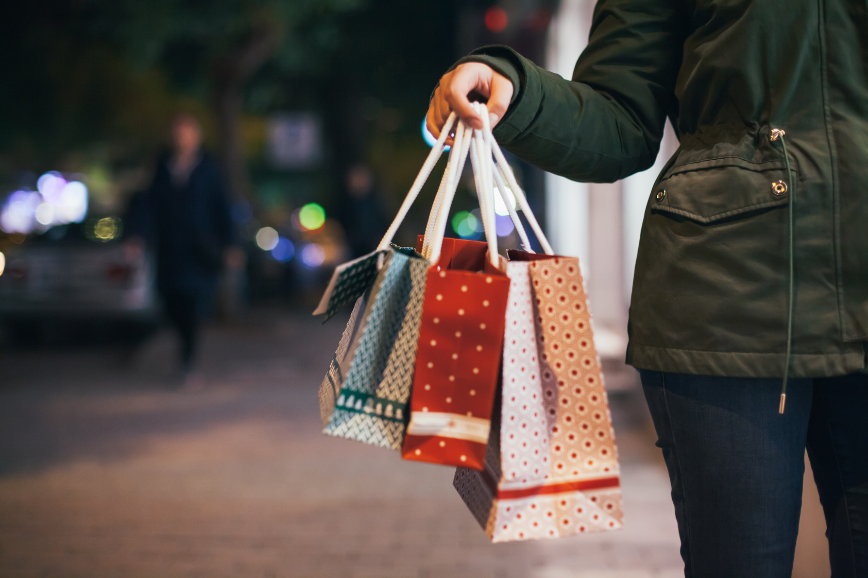
The holiday season represents one of the most significant periods for brands to connect with customers, drive sales, and build brand loyalty. With the increasing importance of early shopping, mobile commerce, and data-driven strategies, staying ahead of emerging trends is crucial. Here’s your ultimate guide to holiday marketing trends for the 2025 and 2026 season, including actionable strategies to help your brand stand out during the festive season.
1. Leverage Early Holiday Shopping and Record E-Commerce Growth
The holiday shopping season is starting earlier each year, and consumers are beginning their shopping months in advance. In 2024, U.S. holiday sales grew by 4.3% to a record $1.343 trillion, with more than 20% of those sales coming from e-commerce. This trend is expected to continue into 2025 and beyond, making it essential for brands to act early and capture those early-bird shoppers.
Actionable Tips:
- Launch Early Campaigns: Start your promotions as early as October or November to capture early-bird shoppers. Use teaser campaigns, exclusive pre-holiday deals, and early access offers to build anticipation well before the busy December rush.
- Create Sneak Peek Content: Generate excitement by giving consumers a preview of your holiday collections with behind-the-scenes looks or early product reveals.
- Expand Gift Guides: Curate gift guides based on specific demographics or interests, such as “Tech Lovers” or “Eco-Conscious Shoppers,” to target different consumer segments early in the season.
Why It Works:
With more consumers beginning their shopping earlier, you’ll capture a larger share of the market by acting proactively. Early promotions help build momentum, ensuring continued engagement through the entire holiday season.
2. Optimize for Mobile Shopping: The Rise of M-Commerce
Mobile commerce (M-Commerce) continues to dominate, with mobile sales expected to make up 56.5% of U.S. holiday e-commerce sales in 2025. As consumers increasingly turn to their smartphones to shop, optimizing your campaigns for mobile is non-negotiable.
Actionable Tips:
- Mobile-Optimize Your Website: Ensure your site is responsive, fast, and easy to navigate on mobile devices, particularly for product pages and checkout.
- Leverage SMS and Mobile-Optimized Emails: Reach customers on the go with SMS marketing and ensure your email campaigns are designed for mobile users.
- Create Shoppable Content: Use platforms like Instagram and TikTok to make your content shoppable, enabling consumers to buy directly from your social media posts.
Why It Works:
Consumers are increasingly shopping on mobile, and making your content mobile-optimized will ensure a seamless experience, improving conversions and reducing friction in the purchasing process.
3. Full-Funnel Marketing: Engage Consumers from Discovery to Purchase
Holiday campaigns must go beyond simple sales pushes. A full-funnel marketing strategy engages consumers at every stage of their journey — from awareness to consideration, and ultimately, conversion.
Maintaining a balance of upper- and mid-funnel marketing drives better results, ensuring visibility throughout the entire customer journey.
Actionable Tips:
- Top of Funnel: Focus on awareness by using social media ads, influencer collaborations, and video content to introduce your brand to new audiences.
- Middle of Funnel: As shoppers move into the consideration phase, provide value with product reviews, demos, and comparison content to help them make informed decisions.
- Bottom of Funnel: Post-purchase, foster loyalty with thank-you emails, loyalty rewards, and personalized offers to encourage repeat business.
Why It Works:
A well-rounded strategy keeps customers engaged, moving from initial interest to purchase and beyond, which is crucial for driving long-term brand loyalty.
4. Personalization: Meeting Consumer Expectations for Tailored Experiences
Personalization remains a key driver of customer engagement. By delivering individualized experiences, brands can build trust and foster stronger connections with their audience. With the rise of AI and data analytics, this trend will continue to grow in importance.
Actionable Tips:
- Leverage AI Tools: Use AI-driven product recommendations, dynamic website content, and personalized email campaigns to offer tailored suggestions based on consumer behavior.
- Target by Behavior: Use browsing history and previous purchases to send customized offers, making your messages feel more relevant to each customer.
Why It Works:
Personalized content boosts engagement, increases conversions, and enhances the customer experience. By giving your audience what they want, you build stronger, long-term relationships.
5. Embrace Sustainability and Ethical Marketing
Sustainability continues to shape consumer purchasing decisions, especially during the holiday season. Brands that demonstrate a commitment to eco-friendly practices and social responsibility can build strong connections with environmentally-conscious buyers.
Actionable Tips:
- Promote Sustainable Products: Highlight eco-friendly items, sustainable packaging, or carbon-neutral shipping in your campaigns.
- Support Green Initiatives: Partner with environmental organizations to donate a percentage of your sales to sustainability efforts, and communicate these actions clearly in your marketing materials.
- Showcase Transparency: Be open about your sustainability practices and the impact of your initiatives.
Why It Works:
Consumers are more likely to support brands that align with their values, particularly those that prioritize the environment. Sustainability builds trust and can help set your brand apart during the competitive holiday season.
6. Maximize the Power of Short-Form Video and Live Shopping
Video content, especially short-form video, is thriving across platforms like TikTok, Instagram Reels, and YouTube Shorts. These platforms allow brands to connect with consumers in an authentic, engaging way during the holiday season.
Actionable Tips:
- Leverage Short-Form Video: Create quick, impactful videos that showcase products, share behind-the-scenes moments, or offer tutorials and unboxings.
- Host Live Shopping Events: Engage your audience through live-streamed events where customers can ask questions and purchase items in real time.
Why It Works:
Video and live shopping events are interactive and entertaining, making them highly engaging and effective at converting viewers into buyers, particularly during the busy holiday season.
7. Capitalize on New Year’s Resolutions and Wellness Trends
Once the holiday season winds down, many consumers focus on self-improvement and wellness. Brands can seamlessly transition their messaging to align with New Year’s resolutions, capitalizing on this shift in consumer mindset.
Actionable Tips:
- Promote Wellness Products: Market fitness equipment, organizational tools, and self-care products as part of consumers’ New Year’s resolutions.
- Incorporate Motivational Messaging: Update ad creatives to inspire action and goal-setting, reflecting a forward-thinking tone that aligns with the start of the year.
Why It Works:
As consumers set new goals and embrace wellness, aligning your products with their resolutions can increase sales and customer engagement as they look to start the year strong.
8. Utilize Data-Driven Insights for Predictive Campaigns
AI and data analytics are revolutionizing the way brands approach holiday marketing. By leveraging predictive analytics, brands can forecast consumer behavior, optimize inventory, and personalize campaigns to better align with demand.
Actionable Tips:
- Use Predictive Analytics: Leverage AI to forecast trends, predict consumer preferences, and tailor campaigns to meet demand.
- Optimize Campaigns in Real-Time: Use real-time data to adjust your advertising spend and messaging, ensuring your campaign is always aligned with consumer behavior.
Why It Works:
Data-driven marketing helps brands make smarter decisions, ensuring campaigns are optimized for maximum impact and higher conversion rates.
How GeistM Can Elevate Your Holiday Marketing
At GeistM, we specialize in creating high-impact holiday marketing campaigns tailored to your brand’s unique needs. From strategic planning to multi-channel campaign execution, our expertise ensures that your brand stands out during the holiday season.
- Custom Solutions: Tailored strategies to meet your brand’s specific needs.
- Expertise in Trends: A deep understanding of consumer behavior and emerging trends.
- Proven Success: A track record of delivering successful campaigns across social media, email marketing, and affiliate marketing channels.
Get in touch with GeistM to make your holiday marketing season unforgettable and start the new year on a winning note.
FAQs: Holiday Marketing Strategies for 2025/2026
Personalization doesn’t have to be expensive. Segment your email list based on past customer behavior and offer tailored product recommendations. Use dynamic email content and affordable social media tools to target specific audience segments.
Engage early with social media giveaways, “early access” sales, and interactive content like polls or quizzes. Encourage customers to share their holiday shopping plans to help you build organic buzz.
Integrate both approaches into a cohesive strategy. Use short-form videos to build awareness and excitement, backed up by more detailed content on your website or via email to guide consumers through the consideration phase.
Avoid focusing too heavily on discounts alone — offer value beyond price. Ensure your website is optimized for mobile devices and avoid generic, impersonal messaging. Tailor your campaigns to specific needs and preferences.
Ensure your website is mobile-responsive and create quick-loading, mobile-friendly ads. Use SMS marketing and mobile-optimized emails to reach customers directly on their phones.
Encourage customers to share their holiday experiences or product unboxing through a branded hashtag. Feature UGC on your social media, in email campaigns, or even in your ads, making it authentic and relatable.
Highlight eco-friendly products, sustainable packaging, or charitable donations. Create a “Gift with Purpose” campaign that promotes environmentally responsible gifting options.
Track key metrics like engagement rates, website traffic, and conversion rates in real time. Use A/B testing to optimize ads and emails based on performance data.
Try new formats like live shopping or gamified promotions. Focus on unique aspects of your brand, like customer stories or behind-the-scenes content, to keep your messaging engaging and innovative.
Yes! GeistM specializes in crafting tailored holiday marketing strategies that align with your brand’s needs. Our expert team ensures campaigns are optimized across all channels, delivering real-time results and maximizing ROI.