AI-Driven Influencer Marketing: Building Authenticity and Trust

Influencer marketing has become a cornerstone of digital advertising, enabling brands to connect with consumers through authentic, trusted content. 

The success of this strategy lies in its ability to build authentic connections, as followers trust influencers for their honest, relatable endorsements. However, as artificial intelligence (AI) continues to gain ground, the potential for AI-driven influencer marketing to disrupt this dynamic grows. The introduction of AI influencers, as well as AI-generated ads mimicking real influencers, raises critical questions about trust, consent, and authenticity.

Let’s explore how AI is reshaping influencer marketing, the risks it poses to authenticity, and best practices for leveraging AI while maintaining the trust that your brand and influencer partnerships rely on.

The Rise of AI in Influencer Marketing

Artificial intelligence is transforming many industries, and influencer marketing is no exception. 

From predictive algorithms that suggest the most effective content creators to AI-powered tools that generate influencer-like avatars, brands now have more options than ever for reaching their target audience. AI can streamline campaign processes, enhance personalization, and deliver data-driven insights that can optimize influencer partnerships.

However, as AI becomes more integrated into the influencer marketing landscape, brands must tread carefully. AI tools are capable of creating hyper-realistic, synthetic influencers, but some are manipulating existing influencers’ images and voices without their consent. These AI-generated personas may look authentic, but they lack the genuine connection real influencers and creators have with their followers.

The Risk of AI-Generated Content

A recent incident has highlighted the risks associated with AI in influencer marketing. Arielle Lorre, a well-known beauty influencer, discovered that her likeness had been used in an AI-generated video promoting a skincare brand — without her permission. The brand used AI technology to create a video of Lorre endorsing their product, but Lorre had never worked with the brand, never filmed a video for them, and never even used the product being promoted.

@ariellelorre

TikTok attorneys and legal experts – please weigh in!

? original sound – Arielle Lorre

The video, which featured Lorre’s image and voice, was shared on social media as part of a marketing campaign. When Lorre found out, she was alarmed, as she had never agreed to the use of her image in this manner. The brand explained that their external agency had sourced AI-generated avatars from an online platform, unaware that Lorre’s likeness had been used without her consent.

This situation raises a major concern: If AI can manipulate content to create videos, images, or entire personas that look and sound like real influencers, how can consumers trust the content they encounter online?

Lorre’s case underscores the potential for AI to erode the authenticity that makes influencer marketing so effective. When consumers feel that they are being misled by AI-generated content, it can damage the trust that influencers have worked hard to build with their audiences.

The Importance of Authentic Influencer Partnerships

While AI offers several advantages, it is essential to preserve the authenticity at the heart of influencer marketing. Real, human influencers and creators build trust by sharing personal stories, experiences, and recommendations with their audiences. This connection fosters loyalty and engagement, a quality that AI-generated content cannot replicate.

User-generated content (UGC) remains one of the most powerful tools in a brand’s influencer strategy. Consumers trust real content from authentic influencers because they know it comes from a place of genuine experience. AI-driven influencer marketing may offer efficiency, but it cannot replace the human connection that drives successful influencer partnerships.

Brands must focus on collaborating with influencers who have established credibility through genuine engagement with their followers. The key is to work with creators who share their true experiences and values, fostering trust in the process.

Best Practices for Navigating AI in Influencer Marketing

1. Prioritize Transparency and Consent

Ensure that all influencers have given explicit consent for their likeness or voice to be used in AI-generated content. Avoid using AI to impersonate influencers or create fake personas that could damage the trust consumers place in your brand.

2. Leverage AI for Optimization, Not Substitution

Use AI to enhance your campaigns rather than replace human influencers altogether. AI tools can help analyze data, optimize campaign performance, and suggest relevant content, but the human element should remain central to your marketing strategy.

3. Ensure Ethical AI Use

If AI is part of your influencer marketing strategy, establish clear ethical guidelines. Be transparent with your audience about when AI is used, and avoid misleading consumers with manipulated content that could jeopardize brand integrity.

4. Work with Real Influencers and UGC Creators

Focus on partnerships with influencers who have built their following through authentic content. UGC creators, in particular, offer an opportunity to tap into real, organic engagement with your target audience.

5. Monitor and Review Content

Actively monitor the content being produced and shared by influencers to ensure it aligns with your brand values. If AI-generated content is used, ensure it’s done ethically and transparently.

The Future of Influencer Marketing in an AI-Driven World

AI is a powerful tool that can drive efficiency and enhance personalization in influencer marketing, but it must be used responsibly. As brands explore the potential of AI-driven influencer campaigns, they must be cautious not to compromise authenticity or the trust that influencers have built with their followers.

The key to successful influencer marketing in the AI age lies in finding the right balance — leveraging AI for optimization while maintaining the human connection that makes influencer marketing so effective. By collaborating with genuine influencers, respecting their image rights, and being transparent about the role of AI, brands can maintain trust and credibility in a rapidly evolving digital landscape.

Are you looking to enhance your influencer marketing strategy? GeistM specializes in performance-driven content marketing and influencer partnerships. Our team can help you navigate the complexities of AI-driven marketing while maintaining the authenticity that fuels consumer trust. Contact us today to learn more!

Written by: Shannon Purcell

Beyond AI: The Human Element in Digital Marketing and Advertising

As artificial intelligence continues to make strides in digital marketing, many believe it will eventually replace the human touch in advertising altogether. But while AI can analyze data, predict behavior, and even automate certain ad placements, it cannot replicate the one thing that remains central to effective marketing: human connection.

The Limitations of AI in Building Trust

Consumers value authenticity. There’s a growing awareness of how AI-driven ads can feel disingenuous. A recommendation from a bot simply lacks the nuance and emotional weight of advice from a trusted friend or fellow human. AI can suggest products based on algorithms, but it cannot tap into the deeper emotional triggers that influence purchasing decisions. Humans understand context, empathy, and the importance of trust in relationships – elements that AI, as sophisticated as it is, cannot replicate.

Take influencers, for example. Their authenticity and relatability are key reasons why they’ve become such powerful figures in digital marketing. When an influencer recommends a product, they’re often seen as a friend or peer offering honest advice. Their audience trusts them because of the genuine human-centered interactions they foster, not because a machine generated a recommendation based on data points.

AI is a Tool, Not a Replacement

Instead of replacing the human element, AI should be viewed as a tool that can support and empower marketers to connect with their audience on a deeper level. AI can streamline the process of identifying target demographics, analyzing consumer behavior, and providing insights that were previously time-consuming to gather. 

But at the end of the day, it’s the emotional resonance and authenticity of the human touch that fosters long-term relationships with customers.

Marketers should focus on using AI to enhance the personalization of their ads while retaining the core of human-driven marketing – the ability to build trust. For example, AI can be used to identify which products are most likely to appeal to a specific audience, but it’s up to the marketer to craft compelling narratives and messages that truly connect on a personal level.

The Future of Advertising: Collaboration Between Humans and AI

Moving forward, the most successful advertising strategies will be those that combine the best of both worlds: AI’s efficiency and data processing power, alongside human creativity and emotional intelligence. 

As AI continues to evolve, the role of the marketer will shift from being a purely analytical decision-maker to a creative leader who knows how to use AI’s insights to craft meaningful and engaging ads.

By blending human intuition with AI-driven insights, advertisers can create campaigns that feel more personalized, authentic, and ultimately, more effective. The future of digital marketing isn’t about replacing humans with machines – it’s about how they can work together to deliver more powerful, personalized, and trustworthy advertising experiences. 

Why GeistM is Built for This New Era

With years of experience driving performance and building brands, we understand that successful marketing is rooted in emotion, storytelling, and connection. Our in-house creative team specializes in crafting personalized, compelling content that resonates with audiences—something AI can’t fully replicate. Built on transparency, authenticity, and trust, we ensure your messaging feels real and connects on a deeply human level.

At GeistM, we’re not trying to replace the human touch with AI—we’re using AI to amplify our human expertise. That’s what sets us apart, and that’s why we’re the right partner for brands looking to thrive in this new marketing landscape.

The Perfect Ad: It Won’t Come From AI, It’s In the Name

The perfect ad is when your best friend shares a brand with you. It is decidedly not artificial. Even a hint of artificiality can impact the impression we form, and the last thing we want when considering a purchase is to feel duped. While the amalgamated wisdom of the Internet, packaged into something that interacts like a human, is a breathtaking tool, it’s not your friend.

If a chatbot tells me it likes Duff beer, I instantly know the emotion behind that statement isn’t genuine. It can’t have first-hand experience with beer. Sure, it might be funny to press the question further and ask if Duff is better than Bud. Google might tell me that AI thinks people guess the imaginary brand is modeled after a heavily hyped one. But, I’d think it’s more like PBR, as I project a few layers of depth onto The Simpsons’ humor. But at the core, AI’s emotions are not real; they are simulated.

AI has the prowess to plumb my inferences, but by the very definition of the word, it simply can’t be genuine. We can’t even know what’s truly genuine—it’s an emotion built from layers of trust, and that trust is what makes genuine advice so valuable when it comes to a product pitch.

The Quest for Genuine Advice: A Paradox in Marketing

What’s curious is that, while genuine pitches exist, we obsess over the perfect approximation of genuine pitches. The typical setup for TV ads involves a neighbor sharing sage advice to buy this or that product. It’s what marketers aspire to achieve—the organic recommendation. But here lies the problem, akin to the parable of Schrödinger’s cat: the act of inserting a pitch into a genuine conversation often negates the appearance of genuineness. Usually, this shift from “genuine” to “abhorrent” happens quickly. It’s a tension that’s been around for so long that it’s rarely questioned. AI represents the most extreme attempt at simulating genuineness, and while it has cost nearly as much as devising nuclear energy, it is sweeping through ad tech like a new messiah. But what if, instead of trying to simulate something real, we could actually be genuine?

Influencers: A Step Toward Genuine Transparency in Advertising

The rise of influencers challenges the stigma of pitches being inherently deceptive. We trust the presenter. We know they are being paid; this transparency relieves us from the fear of being duped. The influencer will likely refuse to promote a bad product to their hard-earned audience. This kind of transparency makes the conversation feel real, and in turn, it blesses the brand being promoted. Trust between the influencer and the audience is the key here.

The Creepy Side of Data-Driven Ads

So why do I see ads for things that have nothing to do with me when I read something posted online? Some ads might even be things I would abhor. The ad placement is based on data about the viewer that can be unsettling to think about, and it creates an unwelcome presence in an otherwise genuine exchange between people. Now, consider a different scenario: What if the author of that post had selected the brands that pay for the hosting service? In this case, the marketer would have made a partner out of the customer, and the transparency of that relationship would make the presence of ads feel like a genuine exchange. If it’s free, then I am the product, but that’s okay if I can choose the product I’m promoting.

The Market Dynamic: Reclaiming Control

Moreover, we could take this a step further. If advertisers paid the author directly instead of relying on algorithms to guess what scenario might unfold, we would shift away from data-mining tactics. Perhaps, if no one is willing to promote a product, that’s a good thing for the market. Pricing harmful products out of circulation signifies that the market is truly working for the benefit of the genuine buyers and sellers.

Maybe we shouldn’t underestimate the intelligence of the customer. One genuine ad is worth a thousand unwelcome pop-ups that attempt to guess my desires with data that should never have been gathered in the first place—unless you’re my friend.

GeistM: Where Transparency and Trust Lead the Way

What happens when AI gets a wallet? Selling to bots is not the same as selling to people. There’s a fundamental difference in how AI interacts with products versus humans, and we will need to reckon with the implications of AI-driven purchasing behavior as it becomes more common.

At GeistM, we believe in being genuine and transparent in everything we do. We don’t let AI speak for us, and we always ensure transparency and trust in our ads, campaigns, and content. 

We understand that consumers value authenticity, and we’re committed to providing it, without relying on algorithms or artificial communication. Our approach is rooted in building genuine connections with audiences, creating campaigns that feel human and trustworthy, and ensuring that our clients’ brands are represented with the integrity they deserve.

Unveiling the Best AI Tools of 2024: A Comprehensive Guide

Whether we like it or not, artificial intelligence (AI) is here to stay. 

AI is revolutionizing industries and transforming how we interact with the world. From personalized recommendations on streaming platforms to advanced data analytics in business, AI is reshaping our experiences and capabilities. 

Embracing these advancements is not just about keeping up with trends; it’s about leveraging powerful tools to drive innovation, efficiency, and growth in every aspect of our lives.

This blog explores the best AI tools of 2024, from chatbots to AI image generators and everything in between, to help you enhance productivity, creativity, and efficiency. 

Keep reading to discover the best AI tools, or skip to…

Best AI Chatbots

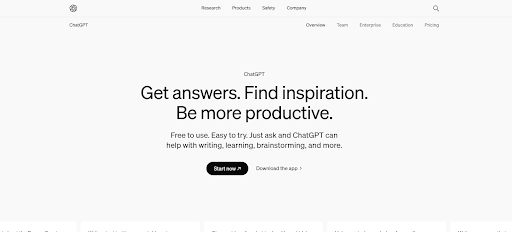
ChatGPT

A product of OpenAI, ChatGPT is an AI language model that generates human-like text responses based on the input it receives.

Key Features:

  • Natural Language Understanding: ChatGPT can comprehend and respond to complex queries naturally and coherently.
  • Adaptability: It is versatile and can used across various domains, including customer support, content creation, and more.
  • Continuous Learning: The more you interact with it, the better it gets, making it a constantly improving tool.

Benefits:

ChatGPT’s adaptability and continuous learning make it a valuable asset for businesses looking to automate routine tasks and enhance customer interactions.
Learn how businesses are using ChatGPT to grow in 2026 and why it’s such a reliable and efficient AI assistant.

with a highly reliable and efficient AI assistant?. 

Intercom’s Fin

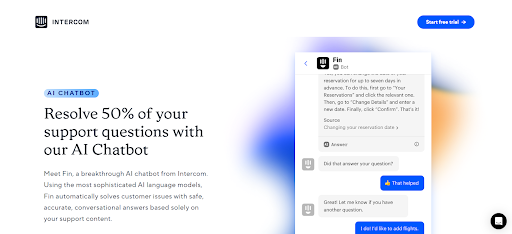
Fin by Intercom is designed to streamline customer support operations by automating responses to common customer queries.

Key Features:

  • Customer Support Automation: Handles up to 50% of incoming customer queries automatically.
  • Contextual Understanding: Maintains the context of conversations for more natural and effective interactions.
  • Seamless Integration: Integrates well with Intercom’s existing suite of tools, enhancing overall workflow efficiency.

Benefits:

Fin is a game-changer for customer support teams. It allows them to focus on more complex issues while ensuring customers receive quick and accurate responses to their common questions?.

Jasper Chat

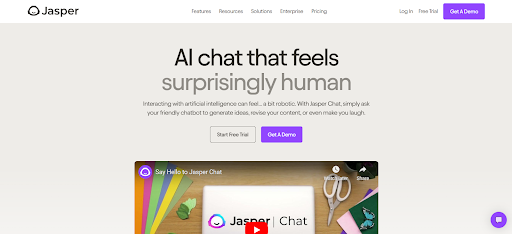
Jasper Chat is designed to assist with various writing tasks, from drafting emails to creating social media posts.

Key Features:

  • Content Creation Assistance: Helps generate various types of content quickly and efficiently.
  • Search Engine Optimization: Offers keyword suggestions and optimization tips to ensure content ranks well on search engines.
  • Tone and Style Adaptability: It can adapt its writing style to match your brand’s voice, ensuring consistency and personalization.

Benefits:

For marketing professionals, Jasper Chat is an essential tool. It not only speeds up the content creation process but also enhances the quality and effectiveness of marketing materials by ensuring they are optimized for search engines and aligned with brand guidelines?.

Best AI Voice Generators

Murf AI

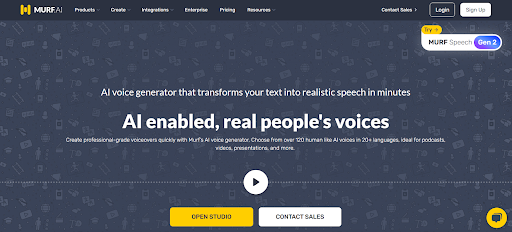
Murf AI is a sophisticated AI voice generator that creates lifelike voices for various applications, such as podcasts, videos, and presentations.

Key Features:

  • Extensive Voice Library: Over 120 voices in multiple languages to choose from.
  • Voice Cloning: Ability to clone voices to create personalized content.
  • Voice Emphasis Controls: You can fine-tune pitch, speed, and tone.
  • Third-Party Integration: Works with tools like Google Slides, Canva, Adobe Audition, and more.

Benefits:

Murf AI stands out by producing studio-level voiceovers that ensure high-quality output. Its versatility makes it suitable for a wide range of content types, including educational and corporate materials.

LOVO AI

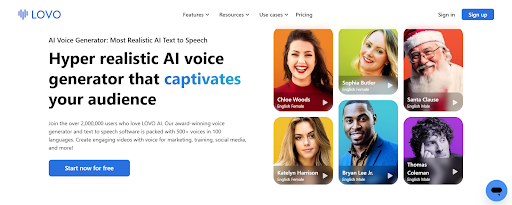
LOVO AI specializes in AI-generated voices, offering tools for text-to-speech conversion, voice cloning, and content creation.

Key Features:

  • Extensive Voice Library: Over 500 voices in 100+ languages.
  • AI Script Writer: Generates scripts quickly using AI.
  • Video Editor: Integrates voiceovers with video content seamlessly.
  • Voice Cloning: Allows you to clone your own voice.

Benefits:

LOVO AI allows for extensive customization, enabling you to fine-tune voices by adjusting emotional tones, pronunciations, speed, and intonation. This versatility and user-friendly design significantly reduce the time required to produce high-quality audio and video content?. 

ElevenLabs

ElevenLabs is an AI voice generation software that produces highly natural and fluent synthetic voices that can be used as voiceovers, audiobooks, virtual assistants, and more.

Key Features:

  • Speech Synthesis: Converts text and audio into lifelike speech.
  • VoiceLab: Allows creation and customization of unique voices.
  • AI Dubbing: Translates and dubs existing videos.

Benefits:

Eleven Labs delivers high-quality, natural-sounding AI voices, making it ideal for various content types. Its accessible plans include advanced features like voice cloning without requiring high-tier subscriptions, offering great value.

Best AI Art and Image Generators

Midjourney

Midjourney is an AI-driven art generation tool designed for creative individuals and professionals. Simple text prompts enable you to produce images in many styles, from photorealistic to abstract.

Key Features:

  • High-quality Settings: It offers various model versions, including specialized models for different art styles, such as Japanese Anime and Manga.
  • Community-focused: Operates via Discord, fostering a vibrant community where users can share and discuss their creations.
  • Adaptive Canvas: Can generate a wide range of styles and high-resolution images, making it highly adaptable to user needs.

Benefits:

Midjourney is ideal for creative individuals and professionals who want to explore diverse artistic styles and engage with a community of like-minded users. However, it requires a subscription, and its Discord-based interface may be a learning curve for some.

Canva AI

Canva’s Magic Studio suite leverages AI to simplify and enhance the creation of visuals.

Key Features:

  • AI Photo Editor: Canva AI integration allows you to transform photos, erase clutter and background noise, and fine-tune your images at the touch of a button.
  • User-friendly Interface: As part of Canva’s Magic Studio suite, the AI tool is designed to be intuitive and accessible, even for users with no prior design experience.
  • Variety of Templates: It offers an extensive library of templates and design elements, empowering users to enhance their creativity and easily produce professional-quality visuals.

Benefits: 

Canva is perfect for designers, content creators, and businesses requiring quick, high-quality visuals. Its user-friendly interface and powerful AI capabilities support many professional and creative applications, ensuring you can produce captivating assets with minimal effort. This tool is especially valuable for those looking to streamline their design process while maintaining high visual quality standards.

Best AI Paid Media Tools

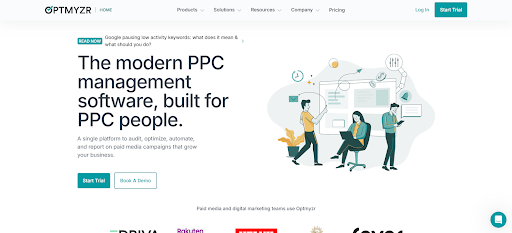
Optmyzr

Optmyzr is a powerful tool designed to manage and optimize PPC campaigns

Key Features:

  • Bulk Editing: Allows for multiple changes across campaigns quickly.
  • Account Management: Manage, edit, and view multiple Google Ads accounts simultaneously.
  • Optimization Suggestions: Provides actionable recommendations to improve campaign performance.
  • Integration: Works well with Google Sheets, Google Analytics, and other Google tools.

Benefits: 

Optmyzr is highly user-friendly, making it perfect for beginners. It enhances efficiency by automating tasks and supporting bulk editing, significantly reducing manual work. The platform provides insightful analytics for fine-tuning campaign performance and is cost-effective, helping manage budgets efficiently by optimizing bids and other elements.

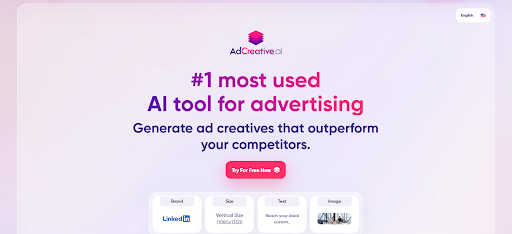
AdCreative.ai

AdCreative.ai specializes in generating AI-driven ads and marketing materials quickly and efficiently. 

Key Features:

  • AI-Generated Ads: Creates professional-grade ads based on user inputs.
  • Copy and Caption Generation: Produces compelling ad copy and captions.
  • Performance Tracking: Monitors how audiences engage with ads and optimize future ads using machine learning.
  • Versatile Formats: Supports the creation of images, banners, and videos.

Benefits: 

AdCreative.ai saves you valuable time with its rapid ad creation process. It leverages data and machine learning to continuously improve ad performance. Additionally, it supports multi-platform ad creation, ensuring a wide reach across various advertising channels.

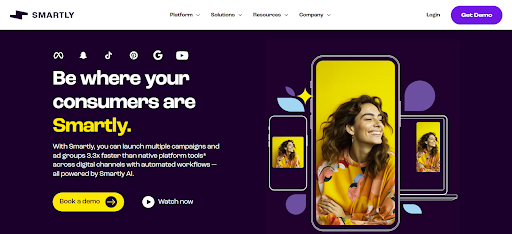
Smartly.io

Smartly.io is a platform that automates the creation and management of advertising campaigns. It is highly regarded for its ability to handle large-scale ad operations for big brands.

Key Features:

  • Ad Creation: Facilitates the creation of image and video ads using numerous templates.
  • Campaign Management: Allows for the simultaneous management of multiple campaigns.
  • Analytics and Reporting: Provides detailed data and reports on ad performance.
  • Brand Compliance: Ensures ads adhere to brand guidelines and assets.

Benefits: 

Smartly.io offers excellent scalability, making it ideal for large businesses with extensive advertising needs. It boosts efficiency by automating many aspects of ad production and campaign management. The platforms use data-driven insights to optimize advertising strategies, improving overall campaign effectiveness.

Best AI Sales Tools

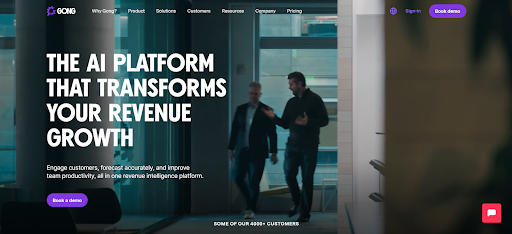
Gong.io

Gong.io is an AI-powered conversation analytics tool that analyzes sales calls, meetings, and emails to provide deep insights into sales interactions.

Key Features:

  • Call Recording & Transcription: Automatically captures and transcribes sales calls for easy reference.
  • Conversation Intelligence: Identifies key moments, talk ratios, and trends in sales conversations.
  • Deal Risk Alerts: Notifies you when deals are in danger, allowing proactive intervention.
  • Sales Coaching: Provides personalized feedback based on real-world data.
  • Market Intelligence: Understands industry trends and competitor strategies.

Benefits: 

Gong delivers enhanced insights into sales conversations, offering unparalleled visibility into sales interactions. By analyzing detailed conversations, it helps sales reps enhance their performance. Gong can also integrate seamlessly with popular CRM platforms, ensuring smooth workflow integration and data consistency.

Clari

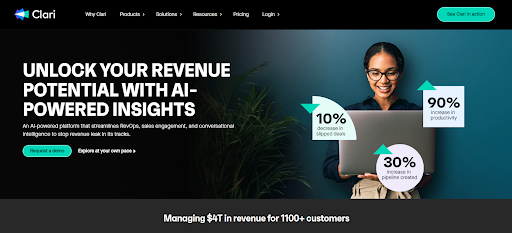
Clari is a revenue operations platform that provides AI-powered insights for optimizing sales performance and improving revenue predictability.

Key Features:

  • Automated Activity & Relationship Tracking: Eliminates manual data entry.
  • Sales Process Visualization: Provides a panoramic view of the entire sales process.
  • Real-Time Coaching: Delivers actionable insights and alerts in real time.
  • Mutual Action Plans: Enhances collaboration between sales teams and buyers.
  • Integration: Seamlessly integrates with CRM and other sales tools.

Benefits: 

Clari provides accurate sales forecasts and predictive analytics, ensuring reliable planning. It can enhance pipeline management by identifying bottlenecks and facilitating smooth sales processes. Clari also promotes enhanced collaboration through mutual action plans and supports data-driven decisions with real-time insights, helping teams make informed choices effectively.

Apollo AI

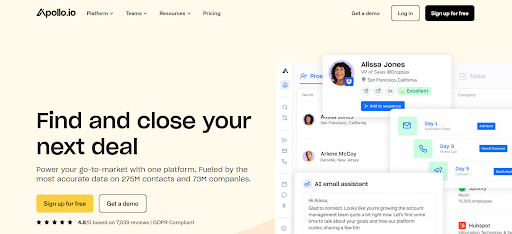
Apollo AI is a comprehensive sales engagement platform that combines lead generation, email tracking, and sales automation.

Key Features:

  • Extensive Contacts Database: It has access to over 265 million contacts.
  • Email Tracking:> Monitors email opens, click-through rates, and responses.
  • Personalized Outreach: Uses AI to craft hyper-personalized emails.
  • CRM Integration: Ensures reliable data coordination and teamwork.
  • Automation: Simplifies outreach efforts and shortens sales cycles.

Benefits: 

Apollo offers comprehensive tools for sales engagement, streamlining various aspects of the sales process. It easily integrates with existing CRM systems, ensuring smooth workflow integration. Plus, it simplifies and automates outreach efforts, improving efficiency and productivity.

Best AI Tools For Productivity

Mem

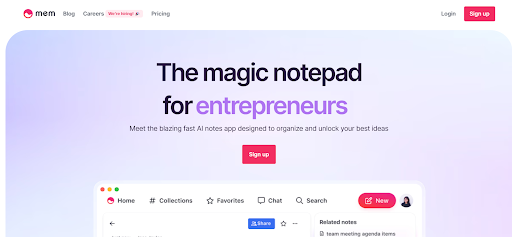
Mem is an AI-powered note-taking app that organizes and connects your notes automatically.

Key Features:

  • AI Tagging: Automatically tags and links notes.
  • Powerful Search: Easily find and retrieve notes.
  • Integration with Calendar: Syncs notes with your calendar for better organization.

Benefits: 

Mem offers effortless organization, automatically keeping your notes well-structured without manual effort. It enhances accessibility by making it quick and easy to find and use your notes whenever needed.

Zapier

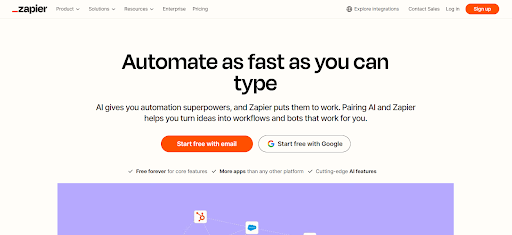
Zapier is a workflow automation tool that connects different apps and automates tasks.

Key Features:

  • Custom Workflows: Create automation workflows without coding.
  • Wide Integration: Supports over 2,000 apps.
  • Conditional Logic: Automate tasks based on specific triggers and conditions.

Benefits: 

Zapier increases efficiency by reducing manual tasks and minimizing errors through automation. It is highly versatile, capable of automating a wide range of processes across various platforms, making it an invaluable tool for streamlining workflows.

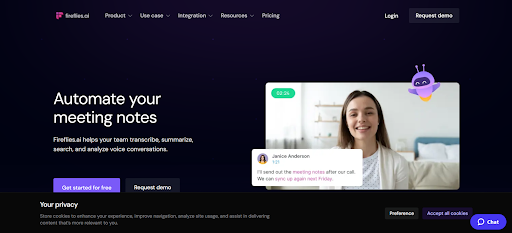
Fireflies.ai

Fireflies.ai is an AI tool that transcribes meetings and generates detailed notes.

Key Features:

  • Real-Time Transcription: Transcribes calls and meetings in real time.
  • Smart Summaries: Provides highlights, action items, and clickable timestamps.
  • Versatile Sharing: Easily share transcripts via links or QR codes.

Benefits: 

Fireflies improves meeting productivity by capturing important details without the need for manual note-taking. It facilitates collaboration through easy sharing and access to meeting notes, ensuring all team members stay informed and engaged.

Final Thoughts

The transformative impact of AI in 2024 is undeniable, revolutionizing productivity across various sectors. From sales and marketing to workflow automation and meeting efficiency, AI tools are enabling businesses to operate more effectively.

Take the first step towards a more efficient future by trying out these tools and experiencing their benefits firsthand.

And If you’re looking to elevate your brand’s digital presence further, consider partnering with GeistM. Our team of growth and content marketing experts is dedicated to driving results through data-driven insights. 

Written By: Shannon Purcell-Miggan